Creatine Monohydrate Benefits and Side Effects
When we talk about this supplement or whey protein, we can discover all kinds of myths.
There are a lot of supplements available on the market, and it's hard to find the ones that actually work.
However, creatine monohydrate works, and is the most researched supplement in the industry.
Today we will explain what creatine, its many benefits and few side effects.
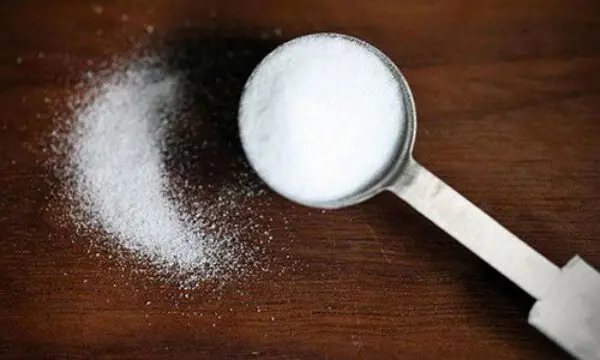
Creatine monohydrate is very efficient in order to achieve your fitness goals.
It helps strength and power athletes who are looking to increase strength, enhance performance and build muscle mass.
Creatine is produced by the body (averagely 1g per day) and found in food like fish and red meat.
Creatine is a natural substance found in the body, in the form of creatine phosphate.
Its main goal is to help regenerate adenosine triphosphate ATP stores (body's short duration energy source), in the muscle tissues to make you last longer in activities requiring a lot of strength.
Creatine can be found in your body and helps with high intensity, short duration movements, such as sprints, jumps, etc.
When creatine monohydrate enters the body (or after being produced by the body), it's transformed into creatine phosphate.
This latter will increase your ATP stores, which means you will be able to lift heavier and probably do another rep or two.
There is not many evidences that creatine has any benefit for endurance athletes.
Creatine can increase your high intensity energy system to help you perform better.
Research has demonstrated that you can get many benefits from this supplement.
Here are the main benefits of creatine monohydrate:
- Improve muscle strength and explosive power
- Build lean muscle mass
- Enhance muscle recovery
Creatine can help you gain muscle strength, build lean muscle mass and enhance recovery.
In order to get the full benefits of creatine, you must saturate your muscle cells with it.
It takes time to achieve this task (up to 30 days), so it can take some time before you truly see the effects of creatine.
Unfortunately there are some people (Very few) whose muscles may not respond to creatine, and therefore won’t get any benefit from it.
The recommended amount of creatine you must consume is 5 grams daily.
You should consume 5 grams of creatine daily.
You can take creatine at any time of the day, in pills or powder.
It's recommended to take creatine with water/shake while eating, in order to avoid upset stomach.
Here’s a plan you should try if you want to get stronger:
You shouldn't take too much creatine at once (stick to the recommendations on the packaging or ask your doctor), it can cause diarrhea, headache, nausea, and a few other unpleasant symptoms.
If taken with certain diabetes medications, diuretics or caffeine it can also cause some potentially dangerous reactions.
If you are unsure if you should be taking creatine, always ask a specialist.
As creatine draws water into your muscle cells, it's important to drink more water while you take this supplement.
- Creatine is not a steroid
- Creatine monohydrate seems to be the most-efficient form of creatine
- This product allows you lift longer and heavier
- It has many benefits, such as improving muscle strength, enhance lean muscle mass and faster recovery during exercise
- You must consume creatine for at least 30 days to feel its effects
- Creatine may have some side effects when combined with certain medications or taken in excess, so be safe and follow instructions if you’re going to take it!
- Always drink more water
Frequently Asked Questions
Creatine monohydrate is known for improving muscle strength, increasing explosive power, and enhancing muscle recovery. It is one of the most researched supplements and is particularly beneficial for strength and power athletes.
While creatine monohydrate is generally safe for most people, some may experience minor side effects like stomach upset or water retention. It's important to consume the recommended dosage and consult with a healthcare provider if you have any concerns.
The recommended daily intake of creatine monohydrate is 5 grams. Consistent daily consumption helps saturate muscle cells, which is necessary to experience the full benefits of the supplement.
Creatine monohydrate is primarily beneficial for high-intensity, short-duration activities. There is limited evidence to support its effectiveness for endurance athletes, as it mainly targets the ATP energy system used in explosive movements.
Creatine can be taken at any time of the day, but it's often recommended to take it with a meal to minimize stomach discomfort. Mixing it with water or a shake can also aid in absorption.
Yes, a small percentage of people may not respond to creatine supplementation, meaning they do not experience the expected benefits. This could be due to individual variations in muscle fiber composition or creatine levels already being naturally high.
Creatine monohydrate increases the body's stores of creatine phosphate, which helps regenerate ATP, the primary energy carrier in muscle cells. This allows for improved performance during high-intensity, short-duration activities like weightlifting and sprinting.