What Healthy Foods You Should Have On Your Plate
Healthy eating doesn't mean boring. "Eating healthy" can get confusing though. For example, some people think carbohydrates are bad for you. In this article we will teach you what healthy eating really means, and we will give you tips to make your own healthy plate.
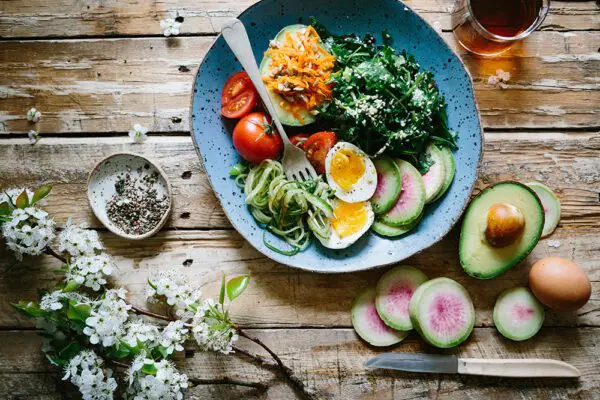
"Healthy eating means eating a variety of foods that give you the nutrients you need to maintain your health, feel good, and have energy." - Wikipedia
Nutrients can be divided in two categories: macronutrients and micronutrients:
- Macronutrients: they are needed in large amounts.
- Fat
- Carbohydrate
- Protein
- Micronutrients: they are needed in smaller amounts.
- Vitamins
- Minerals
Healthy foods tend to be rich in micronutrients (vitamins and minerals). They're low in trans fat, sugar and sodium.
Whereas junk food have fewer fibers. They have more sugar, sodium, trans fat and they are low in micronutrients.
You don't need to follow a certain diet in order to be healthy. Every food serves a purpose, it's all about balance.
Processed foods are low in fibres and micronutrients. They also tend to be high in additives and preservatives. You should avoid consuming too much processed food.
Here's a list of processed foods:
- Chocolate bars
- Cheese
- Dried fruits
- Condiments
- Packaged bacon
- Cereals
- Chips
Whole foods are minimally processed. The foods are provided in their original state, which means vitamins and nutrients are still intact. You should primarily eat whole foods, they will make you feel better.
Here's a list of whole foods:
- Nuts
- Wild fish
- Fruits and veggies
- Whole grain foods
- Organic eggs and meat
Your healthy plate should contain:
- Vegetables (2/4 of your plate): they will help get plenty of micronutrients that will help you feel at your best. Veggies also tend to be low in sugar, which will help you keep your blood glucose stable. Don't hesitate to add some healthy fats food such as: olive oil, canola oil, avocados. They will help you get the right intake of omega-3s.
- Whole grains / Legumes (1/4 of your plate): whole grains and legumes are usually high in fibres and protein, which will avoid you to have an impact on your blood sugar. Try to have some whole-wheat bread, brown rice and legumes such as: beans, lentils and chickpeas.
- Quality protein (1/4 of your plate): quality proteins will help you keep your muscles, skin and bones healthy. Try foods like: eggs, meat and fish. Seitan, tofu, lentils and chickpeas if you prefer plant-based options.
Here's a workout plan for men that will help get fit while eating healthy foods:
Here's a workout plan for women that will help get fit while eating healthy foods:
Your plate should differ depending on when you're having your meal. If you won't be very active for the next couple hours, you might want to reduce your carb intake since you won't be using most of it. For example, a post-workout meal would contain different nutrients than a dinner would.
This journey is all about balance. It's about finding a sustainable nutrition that works with your lifestyle. For example, you could join your friends for dinner once or twice a week. If they're doing it every single day, that's a different story.
"You are what you eat." Keep that in mind next time you're choosing your next meal. I personally feel so heavy when I eat junk food and I don't perform as well as when I'm eating some whole foods.
- Healthy doesn't mean boring.
- Whole foods tend to be rich in micronutrients and low in trans fat.
- Junk foods tend to be low in micronutrients and rich in trans fat, sodium, additives and preservatives.
- Your healthy plate should have: quality protein, good fats, vegetables and whole-grains/legumes.
- Eat according to your schedule. Meal timing matters.
- Have a sustainable nutrition.
Frequently Asked Questions
A healthy plate should include a variety of vegetables, whole grains or legumes, and quality protein. Vegetables should make up half of your plate, providing essential micronutrients. Whole grains or legumes should cover a quarter of your plate, offering fiber and protein, while the remaining quarter should consist of quality proteins like eggs, meat, or plant-based options.
Whole foods are minimally processed, retaining their natural vitamins and nutrients, which support overall health. In contrast, processed foods often contain preservatives and additives, are low in fiber, and can be high in unhealthy fats and sugars, which can negatively impact your health.
Carbohydrates are an important macronutrient that provides energy. To balance them in a healthy diet, focus on consuming whole grains and legumes, which are high in fiber and protein, rather than refined carbs that can spike blood sugar levels. For more on carbohydrates, read Carbs Are Not Your Enemy: Why We Need Them For Fuel.
Quality protein sources include eggs, lean meats, fish, and plant-based options like tofu, lentils, and chickpeas. These proteins support muscle, skin, and bone health and can be included in various meals throughout the day.
To reduce processed food intake, focus on preparing meals with whole foods like fresh fruits and vegetables, whole grains, and lean proteins. Plan your meals ahead and shop for ingredients in their natural state to avoid the temptation of processed snacks and meals.
Healthy fats, such as those found in olive oil, avocados, and nuts, are essential for absorbing fat-soluble vitamins and supporting brain health. Including these fats in moderation can help maintain energy levels and promote heart health. Learn more about healthy fats in Why You Need to be Eating Healthy Fat - And Where To Get It.
Yes, you can eat healthily without adhering to a specific diet by focusing on balance and variety. Include a mix of vegetables, whole grains, and quality proteins in your meals, and limit processed foods and added sugars. It's about making consistent healthy choices rather than strict dieting.